Graces at 30: Love, legacy and leather on willow at the world’s oldest LGBTQ+ cricket club
30 years ago, Graces Cricket Club was founded in a London pub, and it’s still going strong to this day; here, Daniel Shropshall looks back on the history of the world’s oldest LGBTQ+ cricket club with the help of its players, and considers what the future holds…
By Daniel Shropshall
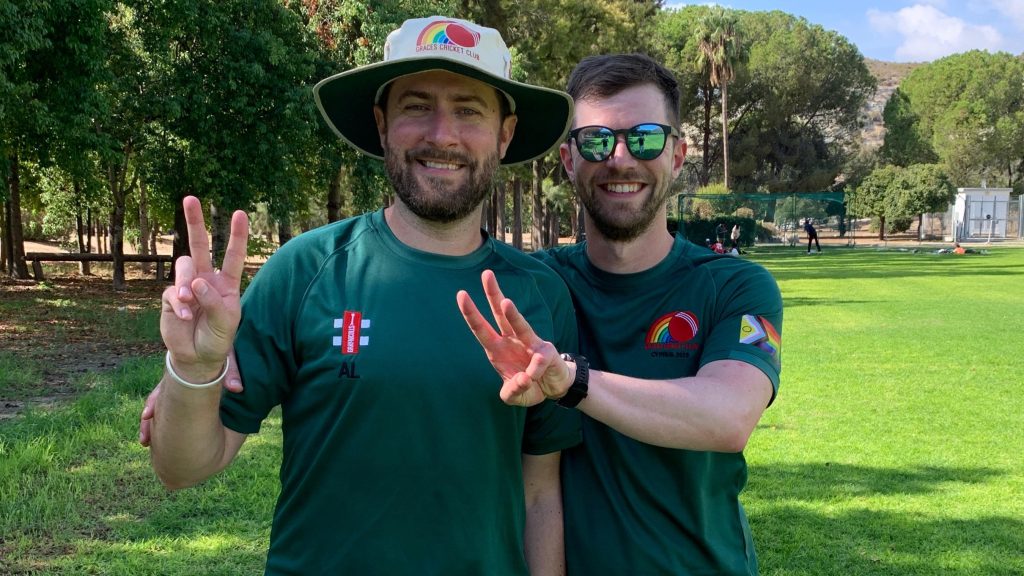
On a cricket pitch in Paphos, Cyprus, Mark Tweddle and Adam Leydon had just stunned onlookers by taking five wickets between them in five overs.
But the bowling figures, as impressive as they are, are not the most interesting thing about this story.
The tale begins in April 1996, at a pub called Central Station in Kings Cross, London. It was there that Graces Cricket Club – the team Mark and Adam were playing for in Cyprus – was born.
Without fear or apology: A community that makes space for itself
Graces was founded by a group of avid cricket fans who wanted to promote enjoyment of the game of cricket amongst the LGBTQ+ community.
After a call went out in The Pink Paper, one of the biggest gay publications in the country at that time, fans gathered to discuss what was possible, but it was an idea more than anything concrete.
Initially just a supporters group, it didn’t take long for the uptake to be strong enough to form an actual team.
A year later, Graces’ first-ever game against Wendover Cricket Club took place. The result was a Graces win, but it went far beyond just a victory on the pitch. It was proof that the idea worked.
The club grew and grew, with drama and excitement both on and off the pitch – from winning nine out of 10 fixtures in the 1999 season to a spat at the turn of the century in the national press with descendants of Victorian cricket legend W.G. Grace over the use of their family name (“Gay cricketers’ team name is a disgrace, says legend’s family” – this was an actual headline).
In 2002, the club had its first regular home ground, and by 2005 the playing membership was large enough to allow for two fixtures on a weekend. In 2007, the club joined the Middlesex Sunday Cricket League and secured promotion from Division Two to Division One.
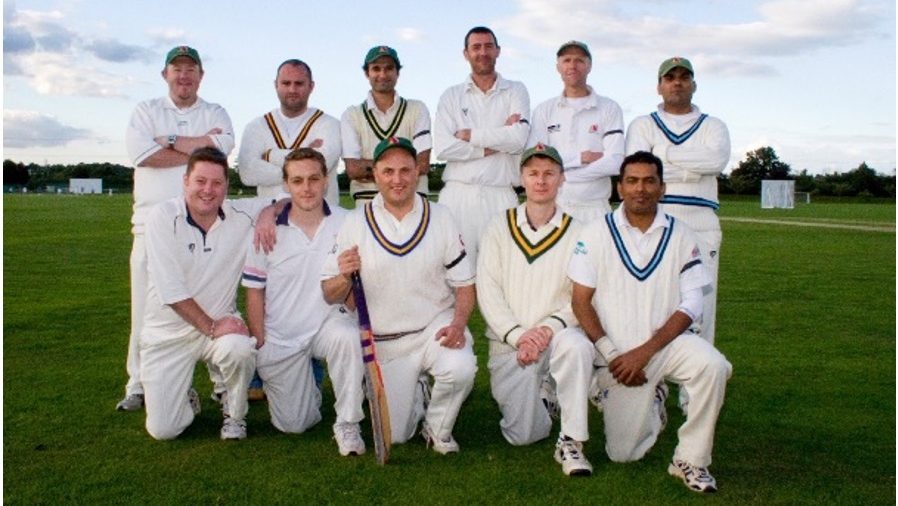
Nadeem ‘Noddy’ Ahmed, one of Graces’ founding members, reflects on that first decade:
Graces began as a simple, radical idea that cricket – a sport steeped in tradition, ritual and community – should be a place where LGBTQ+ people could belong openly and joyfully. A space where LGBTQ+ cricket lovers could play without fear or apology.
Graces didn’t appear overnight; it was nurtured quietly, patiently and with emotional courage. We were literally 11 men who didn’t really know each other – two had never played the game before – but with a shared love of cricket (and, of course, other men!)
The early years weren’t easy. Our spat with W.G. Grace’s family, although we’ve seen the funny side, remains unresolved to this day, and it was hard to shake the feeling that they objected to us using the name due to being gay. There were doubts, awkward moments, and the emotional labour of building something inclusive in a sport that hadn’t made space for us. But we persisted and made space for everyone that joined.
Noddy has been instrumental in documenting the progress of the club, including depositing many items at the Bishopsgate Institute in London. He adds:
This is not just about the history of the club. It’s about cherishing the story of a community that made space for itself – on the field, in the clubhouse, and in the wider world.
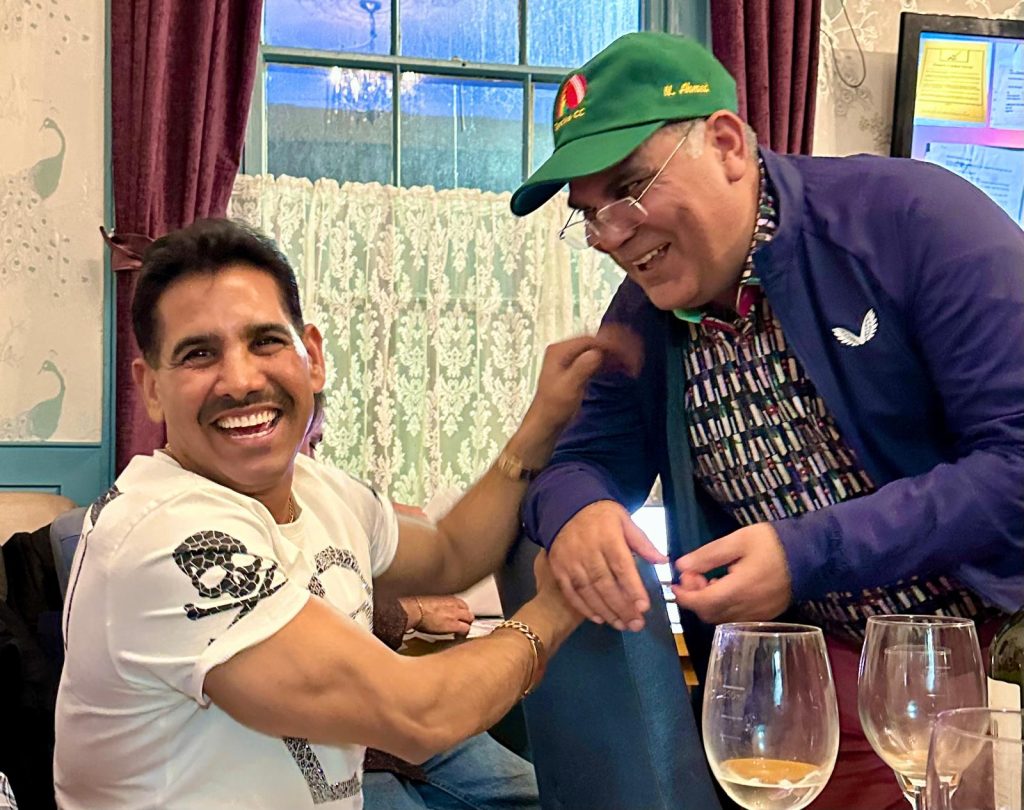
Graces continued to hit its stride through its second decade. Members didn’t just play, they marched. The club’s exploits featured regularly in the press, including The Guardian in 2017, in a piece titled ‘Out and out heroes’.
Stuart Anthony was one of these heroes, and says that we still need heroes just as much today:
When it comes to acceptance and visibility, there is always a need. We’re in a world where freedoms are becoming reduced, and the wider impression is not one of personal expression but rather conforming to a controlled narrative dictated by a governing body at that time.
Graces and other outlets for the expressing of basic human rights need to be openly championed and heroes constantly encouraged. It’s why Graces has always been so loud and proud about diversity and inclusivity. It’s worth noting that this is felt by all of those participating, including our opposition!
I know many other teams look forward to playing against us and really identify with that sense of inclusivity. I spend half my time away from the capital and yet know I can turn up to a Graces match, know many of the players and be made to feel very welcome with any friends I bring along. It’s a proper family environment.
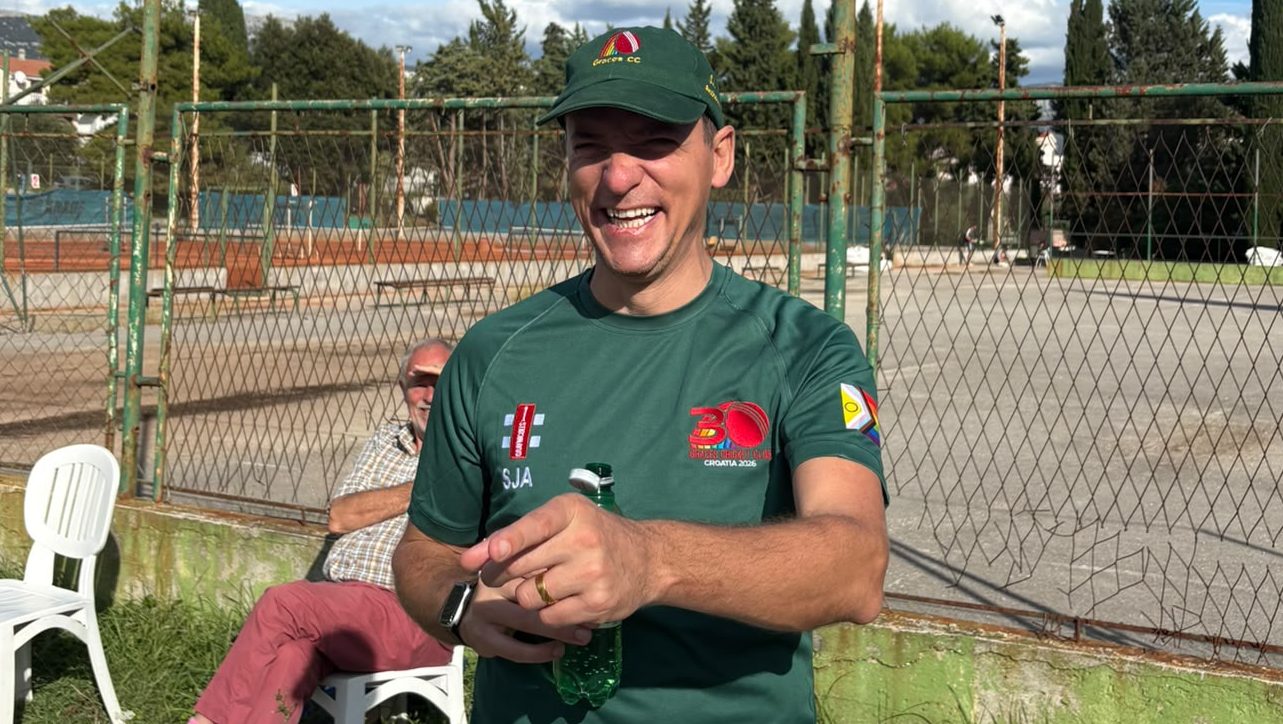
No longer alone
Today, the club plays all home fixtures at Broxbourne CC and has been playing in the competitive Chess Valley League for six years.
And Graces is no longer the sole LGBTQ+ inclusive club in the United Kingdom, having been joined by Birmingham Unicorns in 2020, Leeds Kites and Western Force in 2023, and Invicta Icons and Notts Outlaws in 2026.
For many of Graces’ relatively new members, it’s still about much more than just cricket. Mark Tweddle was 15 years old when he was mesmerised by Shane Warne’s spin magic in the 2005 Ashes. But his journey from there to sharing five tour wickets with his partner 20 years later was far from simple:
It was an incredible introduction to the game, but I didn’t see an obvious route to getting involved in playing cricket. I remember my first time netting a few years later at college, rocking up, being daunted by how long a cricket pitch is, and trying to bowl leg spin. Surely my practising with a tennis ball at home, bowling from the end of the corridor into the kitchen, with the cat’s litter tray as the stumps, would stand me in good stead?! It didn’t, at least not in the way I had envisioned, and I didn’t go back. Two years later at university, I thought I’d give it another go. I persisted for a bit longer this time and even played a couple of games, but I was holding myself back. Gripped with insecurities, not least about my sexuality, I avoided situations that might bring embarrassment and knock my confidence.
Despite wanting to properly give cricket a go, I lacked the self-confidence to do it, and I shied away from getting involved. It wasn’t until 2021 at the ripe old age of 31 that I finally took the plunge. I reached out to Graces, a place where I knew I wouldn’t need to worry and sink into myself if conversations about relationships came up (I still wasn’t fully out at the time). Everyone I met at the club was super friendly and supportive of me being new to cricket. I can still remember the first over I bowled in a game, the ball going everywhere except where I wanted it to, but receiving only encouragement from my teammates.
Five years on since I first joined, I reflect on joining Graces as one of the best decisions I ever made. I love playing cricket and I love representing Graces on the cricket field. Though there have been endless frustrations along the way, I’ve enjoyed the process of improving as a cricketer season by season at Graces and am proud of the progress I’ve made – finishing as the club’s second leading wicket taker in each of the last three seasons.
Graces has given me far more than just cricket. The club played a big part in my coming out journey, providing a sense of community where I felt entirely at ease. Most importantly of all, it’s where I met my partner, Adam, at the club’s Christmas party some years ago! Joining Graces didn’t just give me the chance to finally play the game I’d fallen in love with as a teenager. It gave me confidence, community, friendship, and a life-changing relationship too.
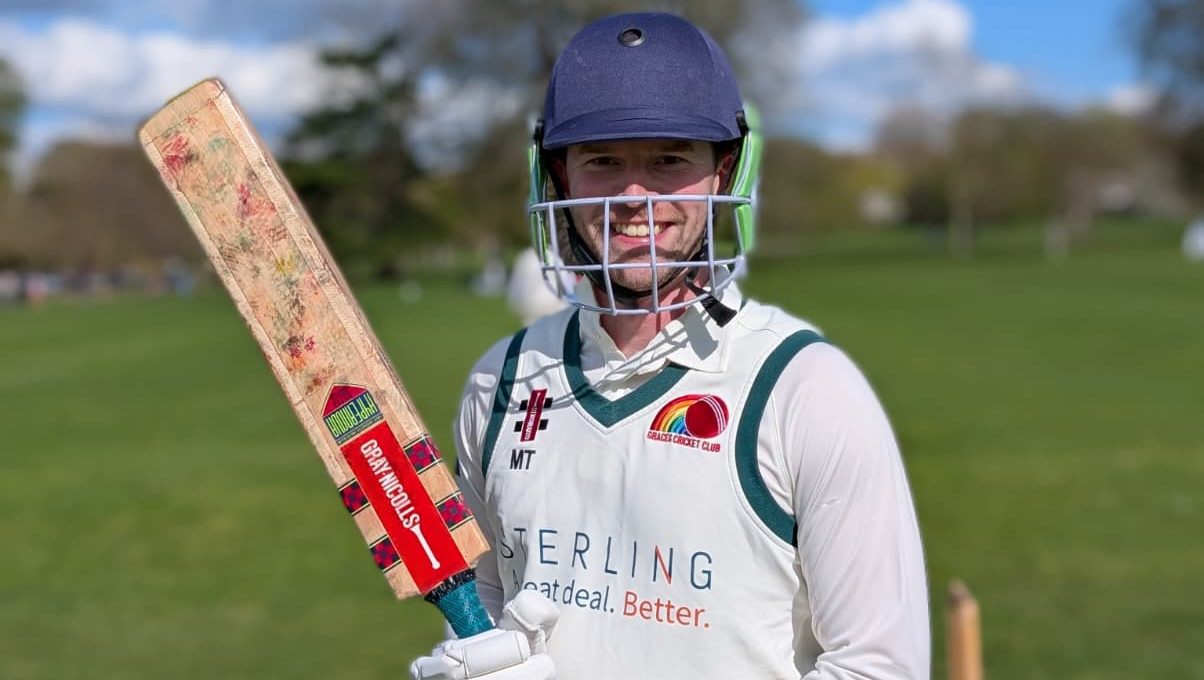
As well as performing on the pitch and creating a special community for LGBTQ+ cricket players and supporters off it, the club has continued to confront the big issues that still affect and challenge LGBTQ+ people in sports.
In September last year, the club penned a letter – in collaboration with Out 4 Cricket, Birmingham Unicorns, Western Force, and Leeds Kites – in opposition to the ECB’s decision to ban trans women from women and girls’ cricket in England and Wales.
Looking back to look forward
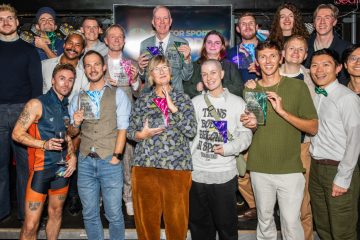
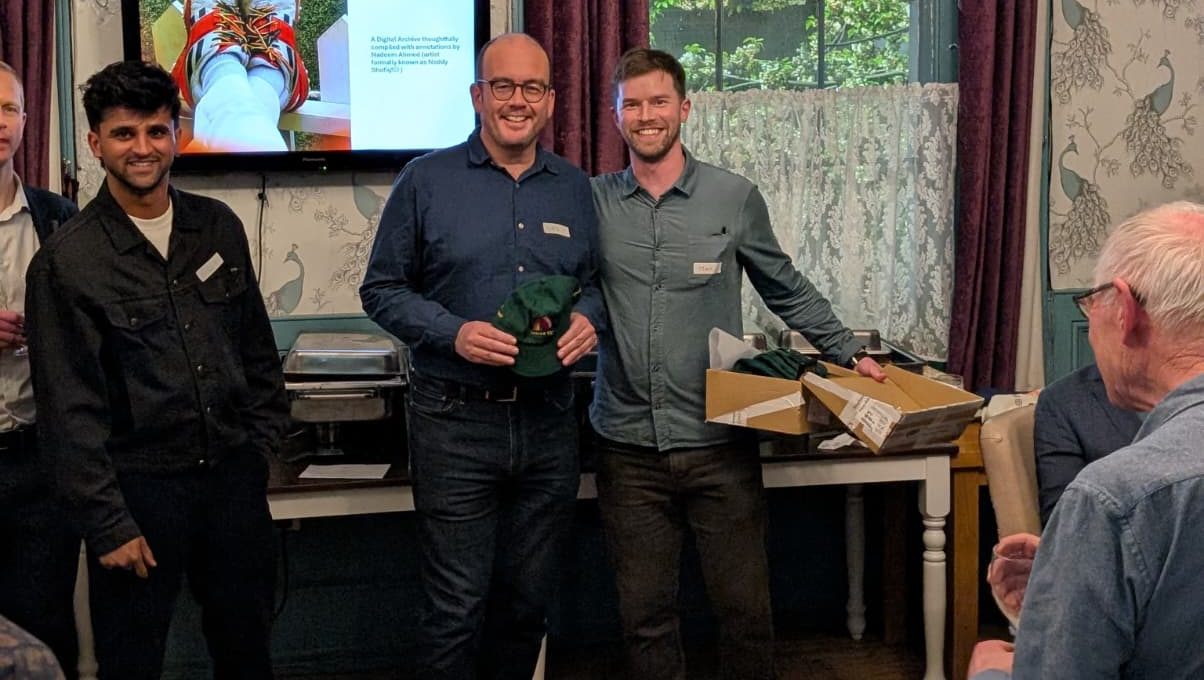
In April this year, the club celebrated its 30th birthday in style, marking the occasion with a special event at Central Station itself. New and less-new members were able to meet, reminisce, and celebrate everything Graces.
The club also awarded special green Graces caps to some extraordinary members, including Leo Skyner, who was awarded Honorary Vice President status. Leo has been a Graces member since 2009 and has held multiple roles within the club, including Chair, epitomising Graces values at every turn.
He joined Graces after moving to live in London full-time, having not played cricket since school, and reflects on how much the club has given him in return:
I desperately wanted to get back into a sport I had so enjoyed as a kid. I hadn’t played through my 20s as I couldn’t easily reconcile being gay and playing team sport. I wanted to play in an environment that I knew I would be welcomed and could be myself. I played a handful of games, then went overseas before becoming a regular in 2014.
I was very touched to be made an Honorary Vice President this year – joining some Graces legends. I have so enjoyed being involved in Graces these past years – it’s given me so much, some great friendships and some fabulous memories. And I have been very happy to lend a hand to keep it running and evolving. The club depends on people getting involved – so I would encourage people to give it a go!
Graces has evolved so much over the years, but one thing that has not changed is the warm and open welcome extended to anyone who comes along – I remember that from 2009! It’s the core of the club, and long may it continue!
So, what do the next 30 years have in store? And what challenges might the club face? Krishan Sachdeva, the club Chair, has high hopes:
Joining Graces was my way to connect with the LGBTQ+ community, something I hadn’t always found easy.
Since becoming a member and since becoming Chair, I’ve seen how important it is to build the club from both a playing perspective and a social one. We have members who have been players or supporters since the club’s inception, and of course those who have joined this year. Some who want to support, some who want to play socially and some who want to play competitively to the highest standard possible – and plenty in between! The challenge is to balance all of that and cater to as many cricket-loving audiences as possible, and it’s a great challenge to have!
It’s been great to see other LGBTQ+ clubs pop up around the country – it’s our responsibility to help these clubs grow and help the wider cricket community grow to make cricket a more inclusive sport for LGBTQ+ individuals. So if you’re on the fence about setting up an LGBTQ+ cricket club, you should do it!
It’s going to be so important that we continue to provide an avenue for people to meet all year-round, creating friendships that grow beyond the cricket field. I’m always quick to remind everyone that Graces is the club it is because of its members. Anyone who has had the opportunity to interact with a Graces player or supporter will note that they are consistently friendly, generous, and welcoming, and that’s at the core of who we are as a club.
We want to provide an environment that LGBT+ members and allies want to be in. It’s something I’m really proud of, and it is the essence of who we are as a club.
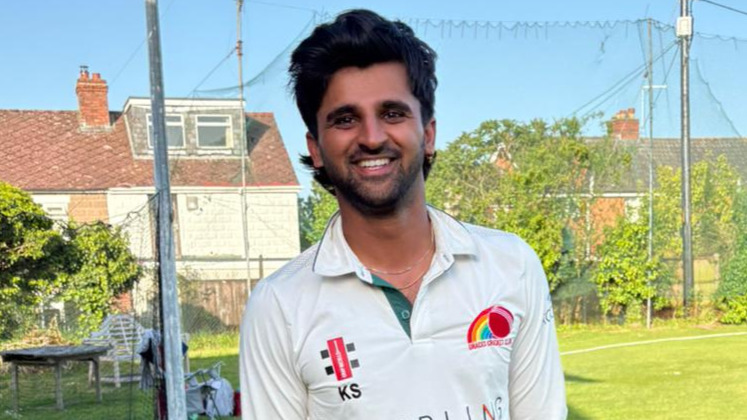
Noddy and fellow founder Pat Sopp are delighted by the progress of the club on and off the field, but recognise that the ‘struggle continues’:
At times, politically it feels like the early 80s again, so we must all act to quash it. Inaction is not an option.
The Graces 2026 season came to a close with an end-of-season tour in Croatia and a series of eye-watering matches against Split CC, and the countdown to pre-season training at Lords in February has begun.
There’s no telling what the next 30 years will have in store, or even the next three.
But there can be no doubt the club will continue to march forward without fear or apology, epitomised by a characteristic joy, inclusivity, and togetherness that has been there all along.
Daniel Shropshall is a writer and content specialist who is also the social media and publicity officer for Graces Cricket Club. Visit his website here.
Sports Media LGBT+ is a network, advocacy, and consultancy group that is helping to build a community of LGBTQ+ people and allies in sport. We’re also a digital publisher and can help with your content requirements. Learn more about us here.
We’re interested in your news and stories. Share with us and tap into a worldwide audience through our Google News affiliate website, which attracts thousands of visitors, our Substack, and our popular social channels. Contact us to discuss how we can help you.