Footballers impacted by trans bans want FAs to listen to their lived experiences and ‘increase transparency’
New research commissioned by Pride Sports for Football v Transphobia Week of Action looks at effect of English and Scottish FAs’ policy changes; players cite loss of community, mental health struggles, ‘half-experiences’ of training and socialising, and erasure among costs of being excluded from affiliated women’s football; report asks leaders and authorities to engage in “meaningful consultation” with excluded players, and for organisations to grow safe participation pathways…
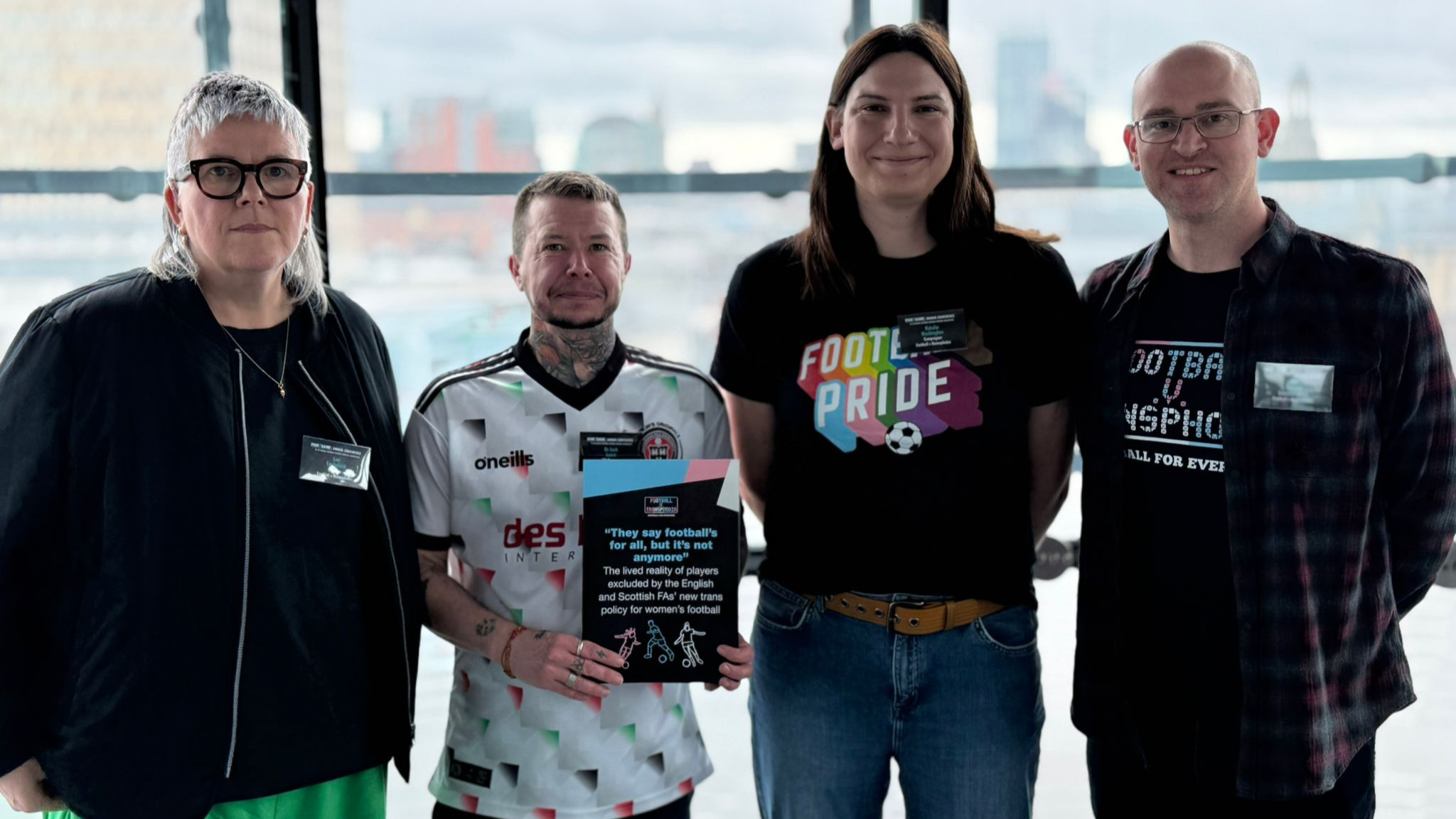
The football associations of England and Scotland are being urged to contemplate the lived reality of transgender players who have been affected and excluded by policy changes introduced in the last year.
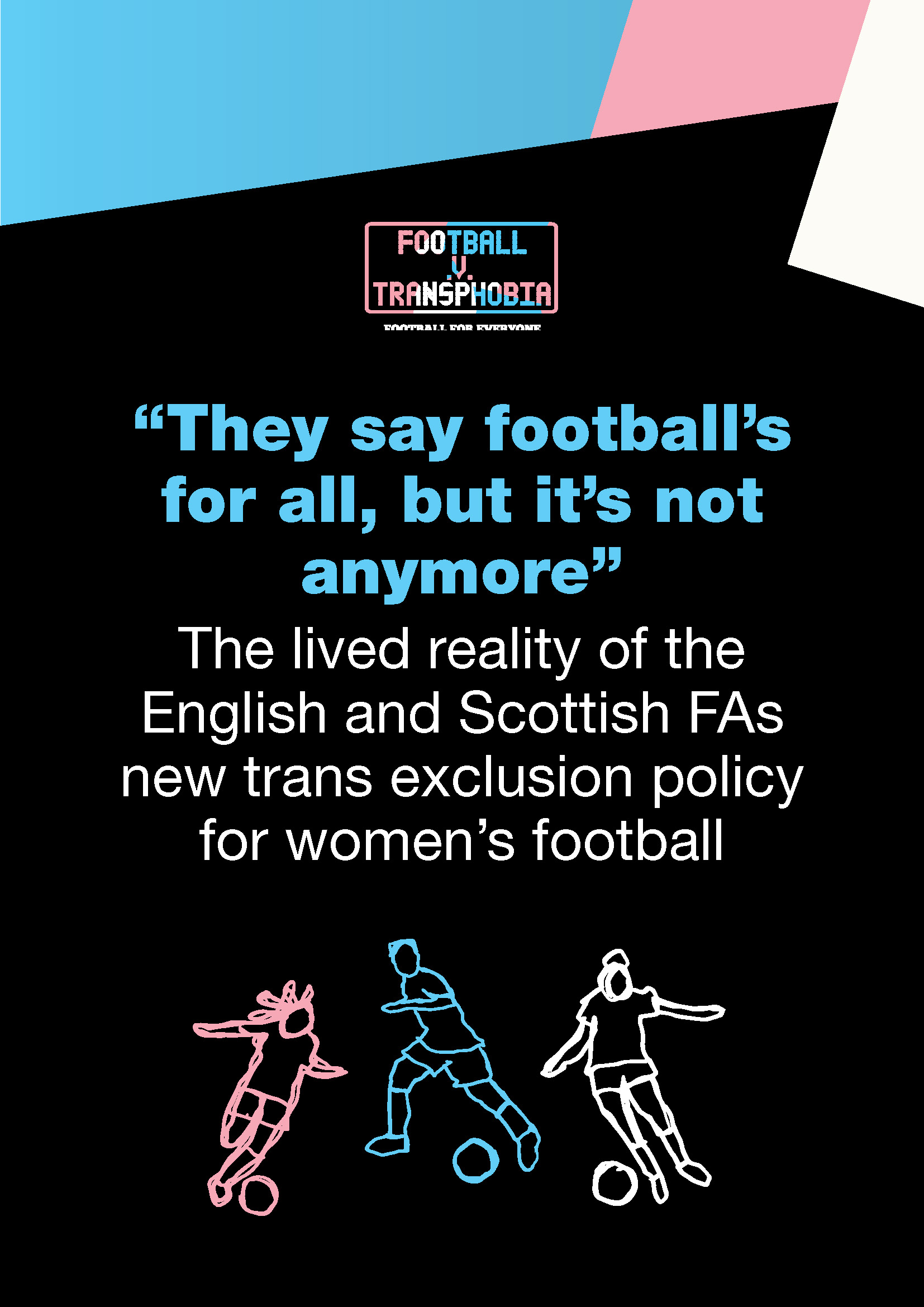
A group of footballers have shared their experiences as part of a new research project commissioned by Pride Sports, which delivers the Football v Transphobia campaign.
The Week of Action for #FvT2026 is being held from March 25 to Trans Day of Visibility on March 31.
All the players are adult trans women who were previously eligible to play affiliated women’s football under FA rules until decisions taken by the sport’s authorities following a UK Supreme Court judgment issued in April 2025.
In interviews, they described the impact of exclusion from the grassroots women’s game and provided recommendations for policymakers and sector leaders on how to move forward constructively.
The need to demonstrate greater transparency on decision-making, with a focus on evidence and rationale, was a central call, alongside “meaningful consultation” that can better inform the provision of future opportunities to play.
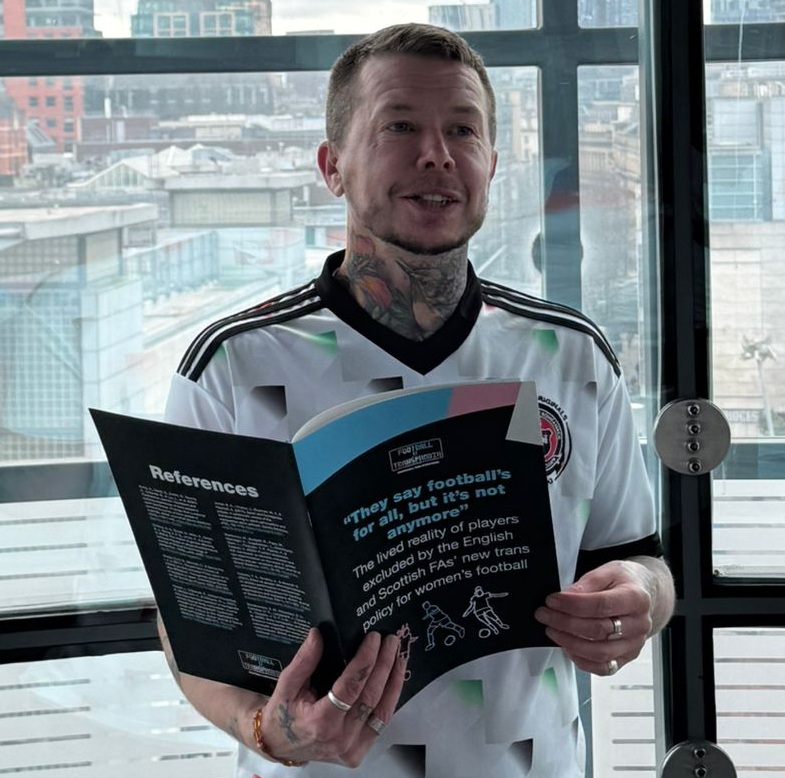
The report’s author, Dr Jack López (IMpact INclusion Consultancy), said: “The footballers who have contributed to this research were playing regularly and with eligibility as part of established teams – for many years, in the majority of cases – until their permission to participate was rescinded.
“Several recurring themes emerged from their testimonies. They discussed the ‘half-experience’ of being included in training and social occasions, but no longer being a part of the team beyond those activities, leaving them with a sense of loss and marginalisation.
“Their gradual erasure from their teams has become more apparent over time, separating them from spaces that previously offered therapeutic and mental well-being benefits.”
The players also reflected on the ‘cold’ communications they received about the policy decisions, and how the proposed solutions or alternative offerings felt like insufficient or even unfeeling compensation.
Some trans people may have access to unaffiliated football, but those who live outside of major cities are highly unlikely to find safe and welcoming environments in which to play.
One interviewee who was previously authorised to participate in 11-a-side matches in the affiliated women’s game said: “I’m still playing non-FA football, which actually shows how daft this ban is… I play in the Sevens League on Tuesday nights against very much the same players I’m banned from.”
Several of the footballers who contributed to the research acknowledged that the policy changes were made in light of legal advice. However, they criticised the associations for failing to adequately consult with those affected at grassroots level; continuing with ‘For All’ and similar inclusion messaging, which now rings hollow; and overlooking how the bans could cause harm to individuals.
“One outcome was that most of these trans women became more visible, and not always by choice,” said Dr López. “Having played without issue for years, they naturally tried to argue against the ban, to speak up for themselves and fellow footballers.
“In their attempts to raise their voices publicly, alongside their supportive teammates, they also attracted a lot of unwanted attention which led to targeted discrimination and, in some cases, doxxing. An already vulnerable group were left with only two real options – stay silent, or risk abuse.”
In the report’s conclusion, grassroots leagues and clubs, football organisations and sector leaders with policy responsibilities are invited to consider a series of interim recommendations.
These range from the implementation of improved safeguarding protocols to the development of practical resources aimed at reducing transphobic language and behaviour. Reports of this type of discrimination are rising year-on-year in football, according to Kick It Out data.
The full report, titled ‘“They say football’s for all, but it’s not anymore”: The lived reality of players excluded by the English and Scottish FAs’ new trans policy for women’s football’, is available to read and download here.
The research formed part of a workshop delivered by Pride Sports and Dr López at the Fair Game UK Conference at the National Football Museum in Manchester on Tuesday, March 24, with the Football v Transphobia Week of Action beginning the following day.

Football v Transphobia is an international initiative that exists to challenge discrimination based on gender identity and gender expression at all levels of the game. It is delivered by Football v Homophobia (Pride Sports).
First launched in 2019, Football v Transphobia receives an annual Week of Action from March 25 to 31, in the seven days leading up to Transgender Day of Visibility.
The Week of Action calls on individuals and organisations at all levels of football to take meaningful action to create more LGBTQ+ inclusive spaces in the game and address all forms of discrimination.
The Sports Media LGBT+ website is a digital publishing hub for news, stories and opinion from across our global community of LGBTQ+ people and allies in sport – and it’s open to all.
We’re interested in your content. Share with us and tap into a worldwide audience through our Google News affiliate website and our popular social channels with over 20,000 followers. Contact us to discuss how we can help you. You can also learn more about our network, advocacy, and consultancy group here.